How do I climb Kilimanjaro?
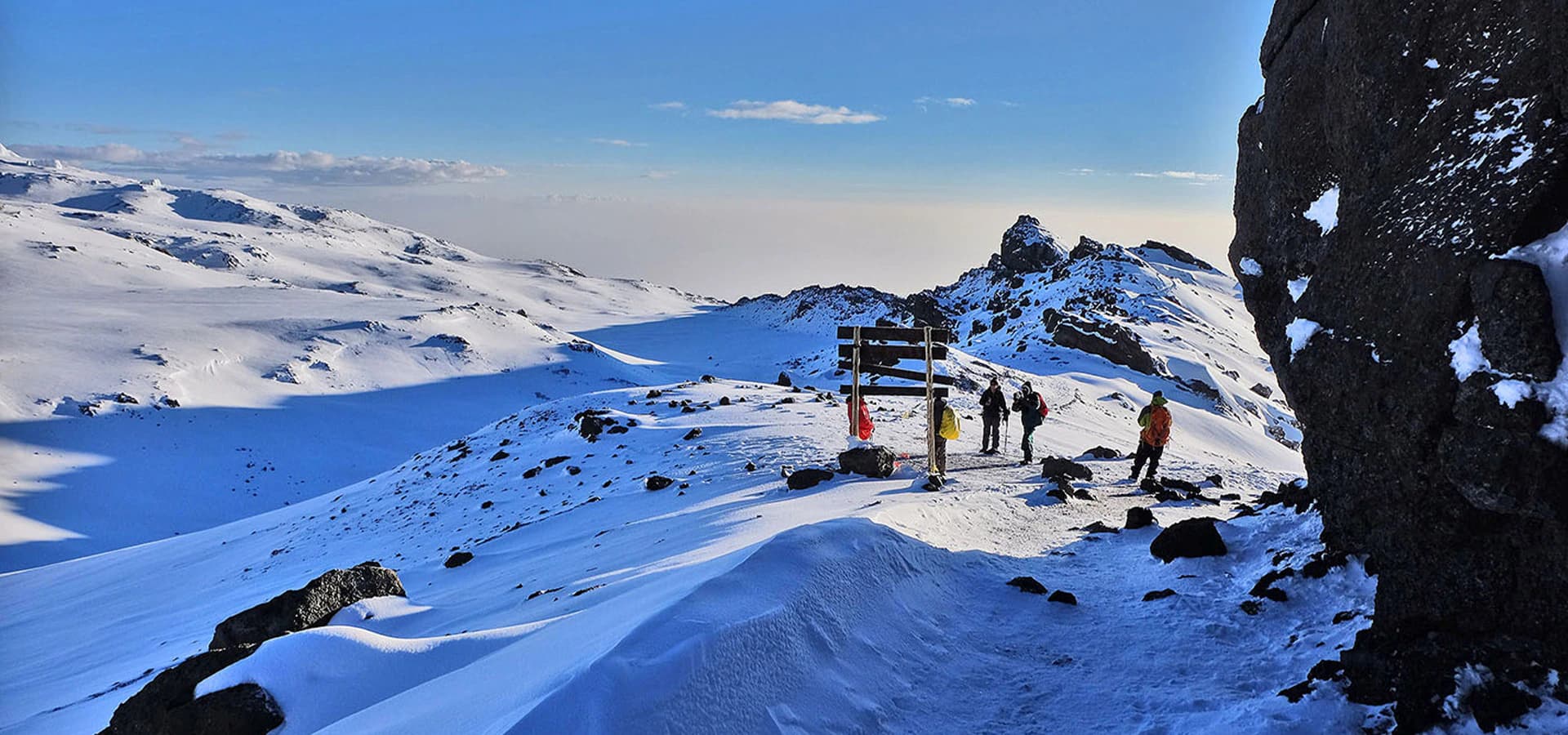
Mount Kilimanjaro (5,895 m) is climbed via one of six approved routes managed by Kilimanjaro National Park (KINAPA). You must climb with a licensed operator — solo climbs are not permitted. Most first-time climbers use the Lemosho (8 days, ~95% summit success) or Machame (7 days, ~85%) routes. Total cost runs $2,200–$3,500 per climber for mid-range packages, all-inclusive of porters, guides, food, park fees ($70/day per TANAPA), and tents. Best months: January–March and June–October. Train 3–6 months in advance with weighted hikes. See our route comparison, cost guide, and preparation guide.
Your Kilimanjaro Adventure Starts Here
Mount Kilimanjaro is not just a mountain – it's a life-changing experience...
No technical climbing experience is required...
Choose Your Path to the Summit
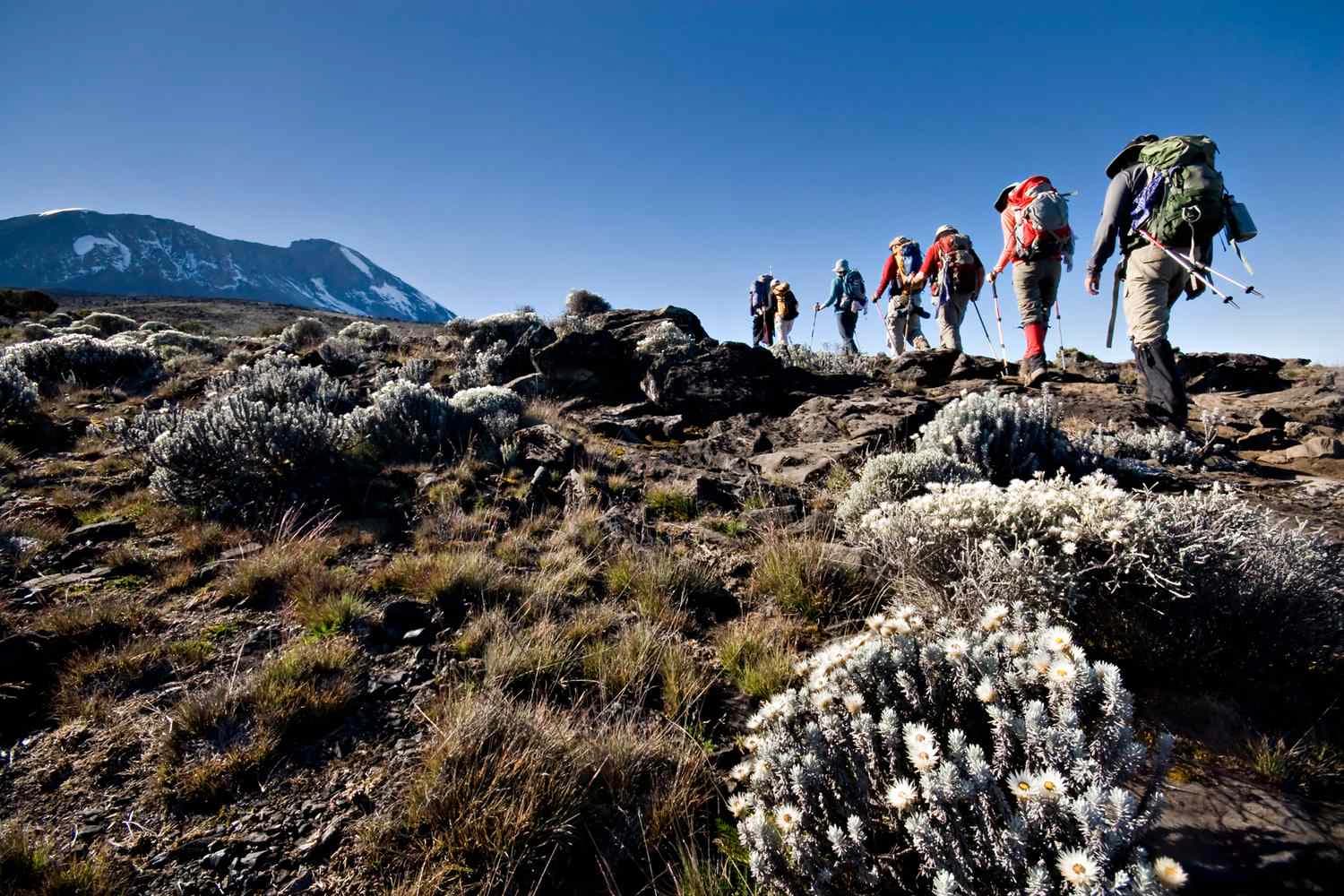
Each route offers a unique experience. Compare success rates, scenery, and difficulty to find your perfect climb.
Lemosho Route
The Scenic Route
Machame Route
Whiskey Route
Northern Circuit
The Full Circumnavigation
Marangu Route
Coca-Cola Route
Rongai Route
The Northern Approach
Everything You Need for Your Climb
Our all-inclusive packages ensure you can focus on the climb while we handle the rest.
Park Fees
All national park and camping fees included
Expert Team
Certified guides, porters, and cook
Camping Gear
Quality tents, sleeping mats, and dining tent
All Meals
Nutritious meals and snacks on the mountain
Transfers
Airport pickup and hotel transfers
Accommodation
Pre and post-climb hotel stays
Safety Equipment
Oxygen, first aid, and emergency evacuation
Certificate
Summit certificate upon successful climb
Best Time to Climb
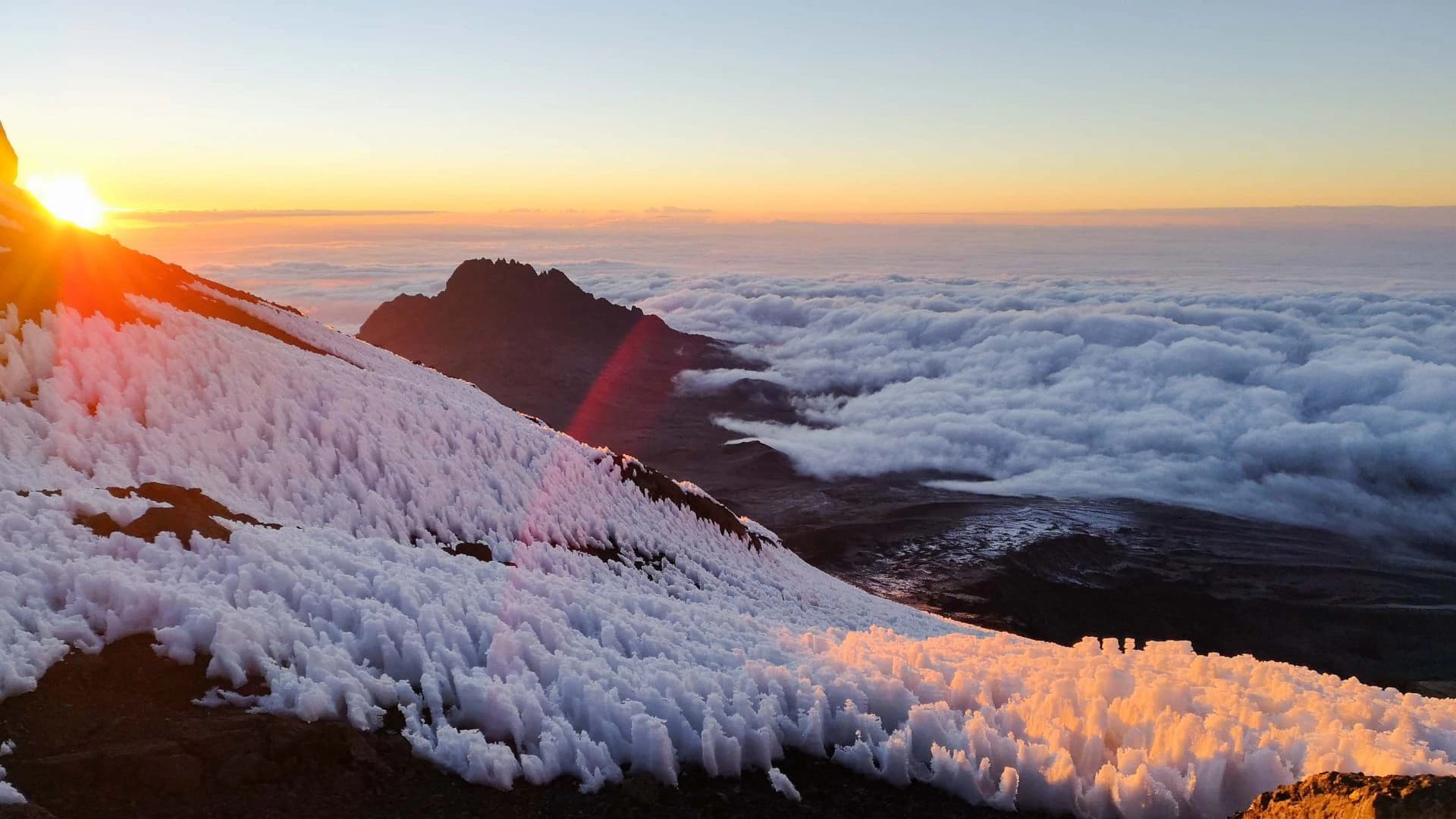
Kilimanjaro can be climbed year-round, but some months offer better conditions than others.
Peak Season
January-March & June-October
Driest months with clearest skies. Best views and most reliable weather. Book well in advance.
Shoulder Season
April-May & November
Rainy season with fewer climbers. Lower prices and unique experience for adventurous souls.
Plan Your Kilimanjaro Climb
Kilimanjaro Climbing FAQs
Everything you need to know before climbing Africa's highest peak.
1How much does it cost to climb Kilimanjaro in 2026?
A Kilimanjaro climb costs $2,200-$5,000+ per person depending on route, duration, and service level. Budget group climbs start at $2,200 for 5-6 days. Mid-range 7-day Machame or Lemosho climbs cost $2,800-$3,500. Premium/luxury climbs run $4,000-$5,000+. All-inclusive packages cover park fees ($70/day), guides, porters, meals, and equipment.
2Which Kilimanjaro route has the highest success rate?
The Lemosho Route (7-8 days) has the highest success rate at 90-95%, thanks to excellent acclimatization profiles and a longer itinerary. The Northern Circuit (9 days) is similar at 90%+. The popular Machame Route achieves about 85% on a 7-day itinerary. Shorter routes like 5-day Marangu have lower success rates around 65%.
3How fit do you need to be to climb Kilimanjaro?
You don't need mountaineering experience, but good general fitness is important. We recommend being able to hike 6-8 hours comfortably and walk uphill for extended periods. Start training 2-3 months before your climb with regular hiking, cardio, and stair climbing. The biggest factor is altitude acclimatization, which fitness alone doesn't guarantee.
4What is the best month to climb Kilimanjaro?
The best months are January-March and June-October when skies are clearest. January-February offers cold but dry conditions with fewer climbers. June-October is the main dry season with the most reliable weather. April-May is rainy season (not recommended). December is transitional but can be good.
5How many days do you need to climb Kilimanjaro?
We recommend a minimum of 7 days for the best acclimatization and highest summit success rate. The most popular options are: 6-7 day Machame, 7-8 day Lemosho, 6-7 day Rongai, or 9-day Northern Circuit. Shorter 5-day options exist (Marangu) but have significantly lower success rates.